
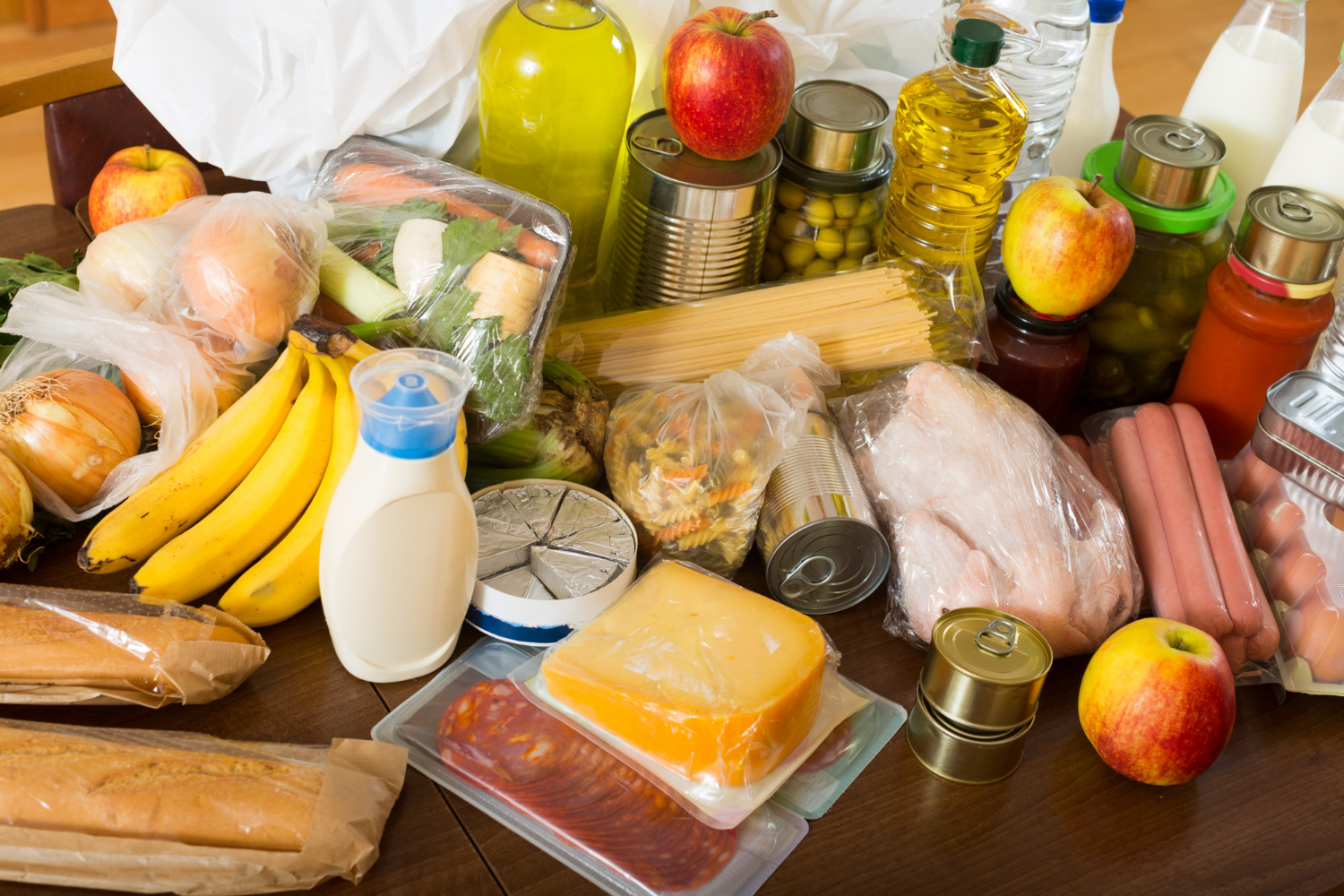
Building a three-month emergency pantry sounds expensive.
If you’re picturing shelves packed with cases of food and enough supplies to survive for months without shopping, it’s easy to assume you’ll need to spend a fortune.
You don’t.
A three-month pantry doesn’t have to be built in one shopping trip, and it doesn’t have to contain special emergency foods.
For most households, the most practical approach is to slowly build a supply of affordable foods you already eat.
That way, you’re preparing for an emergency without spending money on food that will eventually sit untouched.
Start With What Your Household Already Eats
The biggest mistake is buying food specifically because it seems like “emergency food.”
If nobody in your household normally eats canned lentils, don’t buy 30 cans just because they have a long shelf life.
Start with foods you already know you’ll use.
Think about the meals your household makes regularly.
Rice.
Pasta.
Beans.
Oats.
Canned tomatoes.
Peanut butter.
Shelf-stable milk if you use it.
These foods can be part of normal meals now and still be useful if you suddenly can’t shop as often.
Don’t Try to Build Three Months at Once
This is probably the most important part.
You don’t need to walk into the store and buy three months of groceries.
That can put a serious dent in your budget.
Instead, build the pantry gradually.
Buy a few extra shelf-stable items when they’re on sale.
Then do it again next week.
Over time, the supply grows without requiring a huge grocery bill all at once.
Decide What Three Months Means for Your Household
There isn’t one universal three-month pantry.
A household of one will need a very different amount of food than a household of five.
Start by looking at what you normally use in a month.
If your household goes through five bags of rice in three months, that’s a much more useful number than a generic recommendation telling you to buy 20 bags.
Your own grocery history can give you a starting point.
Build Around Cheap Staples
When you’re working with a limited budget, prioritize foods that can become multiple meals.
Some useful staples include:
- Rice
- Pasta
- Oats
- Dried or canned beans
- Lentils
- Canned tomatoes
- Canned vegetables
- Canned fruit
- Peanut butter
- Flour
- Cooking oil
- Shelf-stable sauces and condiments you already use
- Broth
- Basic seasonings
You don’t need every item on the list.
Choose the foods that fit your normal meals.
Rice Can Carry a Lot of Meals
Rice is useful because it can work with whatever else you have available.
You can combine it with beans.
Add vegetables.
Serve it with meat.
Use leftovers to make fried rice.
Turn it into a bowl with different seasonings and toppings.
A staple that works across several meals is especially valuable in an emergency pantry.
Pasta Gives You Another Cheap Base
Pasta can also stretch across several meals.
Keep a few boxes on hand and pair them with whatever sauces, canned foods, vegetables or proteins you have available.
You don’t need ten different varieties.
Buy the type your household already likes.
Beans and Lentils Add More Options
Beans and lentils are useful because they’re inexpensive and filling.
You can use them for:
- Soups
- Chili
- Rice bowls
- Tacos
- Burritos
- Stews
- Side dishes
Canned beans are convenient.
Dried beans and lentils can be more economical if you’re comfortable cooking them.
A combination of both can give you convenience without making the pantry unnecessarily expensive.
Don’t Forget Cooking Basics
It’s easy to focus on food and forget the ingredients needed to prepare it.
A pantry full of rice isn’t especially useful if you’ve run out of cooking oil.
Depending on what you normally cook, consider keeping reasonable amounts of:
- Cooking oil
- Salt
- Sugar
- Flour
- Seasonings
- Broth
- Sauces
Again, don’t buy huge quantities just because you’re preparing for an emergency.
Buy what fits your normal cooking habits.
Include Foods That Don’t Require Much Cooking
An emergency may not always mean a complete loss of power.
But it’s still useful to have some foods that can be eaten with minimal preparation.
Think about foods your household already likes, such as:
- Peanut butter
- Crackers
- Canned tuna
- Canned beans
- Canned fruit
- Shelf-stable snacks
- Ready-to-eat canned foods
These can provide options when cooking a full meal isn’t practical.
Don’t Build the Pantry Around One Meal
Variety matters.
Eating rice and beans every day may be inexpensive, but most households will get tired of it.
Instead, keep ingredients that can be combined in different ways.
Rice can become a bowl.
Pasta can become a casserole.
Beans can go into soup.
Oats can become breakfast.
Canned tomatoes can become sauce or chili.
The more flexible your ingredients are, the more meals you can create from the same basic supply.
Buy What You Already Know How to Cook
An emergency isn’t the best time to experiment with unfamiliar foods.
If you’ve never cooked dried beans before, buying a giant bag for your emergency pantry may not be the best place to start.
Try them first.
Learn how to prepare them.
Then decide whether they belong in your long-term supply.
Your emergency pantry should make meals easier, not create a new cooking project.
Use Sales to Build Your Stock
You don’t have to pay full price to prepare.
Watch for sales on the foods you already use.
If canned tomatoes are discounted and you normally buy them, buy a few extra.
If pasta drops to a good price, add several boxes.
If rice is on sale, pick up an additional bag if you have room.
Small purchases add up.
Over several months, you can build a surprisingly useful supply without dramatically changing your grocery budget.
Don’t Buy Everything in Bulk
Bulk buying can help, but it can also make your emergency pantry unnecessarily expensive.
If you normally use one jar of peanut butter every month, you don’t necessarily need 20 jars.
Buy enough to create a reasonable reserve.
You can continue rotating through it and replacing what you use.
Rotate Your Emergency Pantry
This is what keeps an emergency pantry from becoming a pile of forgotten food.
Use the oldest products first.
Put new purchases behind older ones.
When you use something from the emergency supply, replace it during a future grocery trip.
You’re essentially turning your emergency pantry into a rotating stockpile rather than storing food for three months and hoping you remember it later.
Don’t Buy Food You Don’t Like
This deserves repeating.
A three-month supply of food nobody wants to eat isn’t useful.
If your household hates canned tuna, don’t buy a case because it’s inexpensive.
If nobody eats oatmeal, don’t buy ten containers.
If your family prefers one type of pasta, there’s no need to stock five varieties.
Your emergency pantry should look like your household’s kitchen—not somebody else’s survival checklist.
Include Foods for Different Ages and Needs
If you’re stocking a household with children or other family members who have different food preferences, take that into account.
Having inexpensive foods that everyone can eat makes the pantry much more useful.
This doesn’t mean buying completely separate groceries for every person.
Look for common staples and a few familiar foods that fill the gaps.
Don’t Forget Drinks
Food gets most of the attention, but you’ll also need something to drink.
If your normal household routine depends on refrigerated beverages, think about what shelf-stable alternatives you would actually use.
Water is a separate priority and should be handled according to your household’s needs and local emergency guidance.
The important thing is not to spend your entire preparation budget on food while ignoring basic necessities.
Keep Some Foods in the Freezer
Your three-month pantry doesn’t have to be entirely shelf-stable.
If you have freezer space and regularly use frozen foods, they can be part of your overall reserve.
Frozen vegetables, meat and bread can all be useful.
Just remember that freezer food depends on electricity.
For that reason, don’t count your entire freezer as the same thing as shelf-stable emergency food.
Don’t Forget a Manual Can Opener
This is one of those little things that’s easy to overlook.
If you’re keeping canned foods for an emergency, make sure you have a way to open them if your usual electric appliances aren’t available.
You don’t need anything complicated.
Just make sure the basic tools you need actually work.
Keep Track of What You Have
You don’t need a detailed spreadsheet.
A simple list can be enough.
For example:
Emergency Pantry
- Rice — 2 bags
- Pasta — 8 boxes
- Black beans — 10 cans
- Canned tomatoes — 8 cans
- Oats — 2 containers
- Peanut butter — 3 jars
- Canned vegetables — 10 cans
Update the list as you use things.
This prevents you from thinking you have a three-month supply when half of it has already disappeared.
Store Food Somewhere Cool and Dry
Most shelf-stable foods should be stored according to the manufacturer’s instructions.
A cool, dry storage area is generally preferable for many pantry staples.
Keep food away from moisture, excessive heat and pests.
Don’t cram everything into an area where you can’t inspect it.
Good storage is part of the preparation.
Don’t Let the Pantry Get Too Big
Three months sounds like a lot.
But if you’re constantly adding food without using anything, the pantry can become difficult to manage.
Set a reasonable target.
Once you’ve built enough of a reserve, focus on rotation instead of constantly expanding it.
The goal is preparedness—not owning the largest pantry in the neighborhood.
Build a “Normal Grocery” Pantry, Not a Separate One
This is one of the easiest ways to keep costs down.
Instead of having everyday groceries and emergency groceries, have one pantry that serves both purposes.
You buy rice.
You eat the rice.
You replace it.
You buy canned beans.
You use them.
You replace them.
The pantry stays stocked because you’re constantly rotating through it.
That means your emergency supply isn’t made up of food that’s been sitting untouched for years.
Build the Pantry in Stages
If you’re starting from almost nothing, think of the process in stages.
First Stage: Basic Meals
Start with enough ingredients to make several inexpensive meals.
Rice, pasta, beans, oats, canned tomatoes and cooking basics are a good foundation.
Second Stage: Variety
Add canned vegetables, fruit, shelf-stable proteins and other foods your household enjoys.
Third Stage: Longer-Term Reserve
Once the basics are covered, gradually increase the quantities of the foods you use most.
There’s no need to rush.
Use Your Grocery Budget Strategically
You don’t need to spend an extra $100 every week building your emergency pantry.
Instead, consider setting aside a small amount of your normal grocery budget for stock-up purchases.
Maybe you buy fewer convenience foods one week and use that money for several pantry staples.
Maybe you use a sale to buy three cans instead of one.
Maybe you add one extra shelf-stable item to each shopping trip.
The exact approach depends on your budget.
The important thing is that the emergency supply grows without putting your regular grocery needs at risk.
Don’t Let Preparedness Create Debt
An emergency pantry is supposed to make your household more prepared.
It shouldn’t create a new financial emergency.
Don’t put large stockpile purchases on a credit card you can’t comfortably pay off.
You don’t need to build the entire supply immediately.
Slow and steady is perfectly fine.
Use What You Already Have First
Before shopping for emergency supplies, take a look around your kitchen.
You may already have quite a bit.
Count the rice.
Check the canned goods.
Look at the freezer.
Check the baking supplies.
You might discover that you’re closer to your goal than you thought.
There’s no reason to buy another five bags of rice if you already have enough.
Three Months Doesn’t Have to Mean Three Months of the Exact Same Food
Your emergency supply can be a combination of staples and normal foods.
The point isn’t to create a perfectly calculated menu where everyone eats the same meal every day.
It’s to have enough useful food on hand that a disruption doesn’t immediately force you into an expensive grocery run.
Think in terms of ingredients and meal options.
That’s much easier to maintain.
Keep Improving the Pantry as You Use It
Your pantry will teach you what belongs in it.
Maybe you discover that your family never touches canned peaches.
Don’t replace them.
Maybe pasta disappears faster than anything else.
Keep more of it.
Maybe everyone loves lentil soup.
Add more lentils.
Your stockpile should evolve around your actual household.
The Goal Is Security Without Waste
A three-month emergency pantry doesn’t have to be expensive, complicated or filled with unusual foods.
Start with the foods you already eat.
Build gradually.
Buy staples when they’re on sale.
Choose ingredients that can become several different meals.
Store everything properly.
Rotate older food first.
And replace what you use.
Most importantly, don’t feel like you need to build the whole thing overnight.
A few extra cans this week, another bag of rice next month and some additional shelf-stable foods when prices are good can eventually create a substantial reserve.
The best emergency pantry isn’t the one with the most food. It’s the one your household can afford to build, knows how to use and can keep rotating without wasting it.