
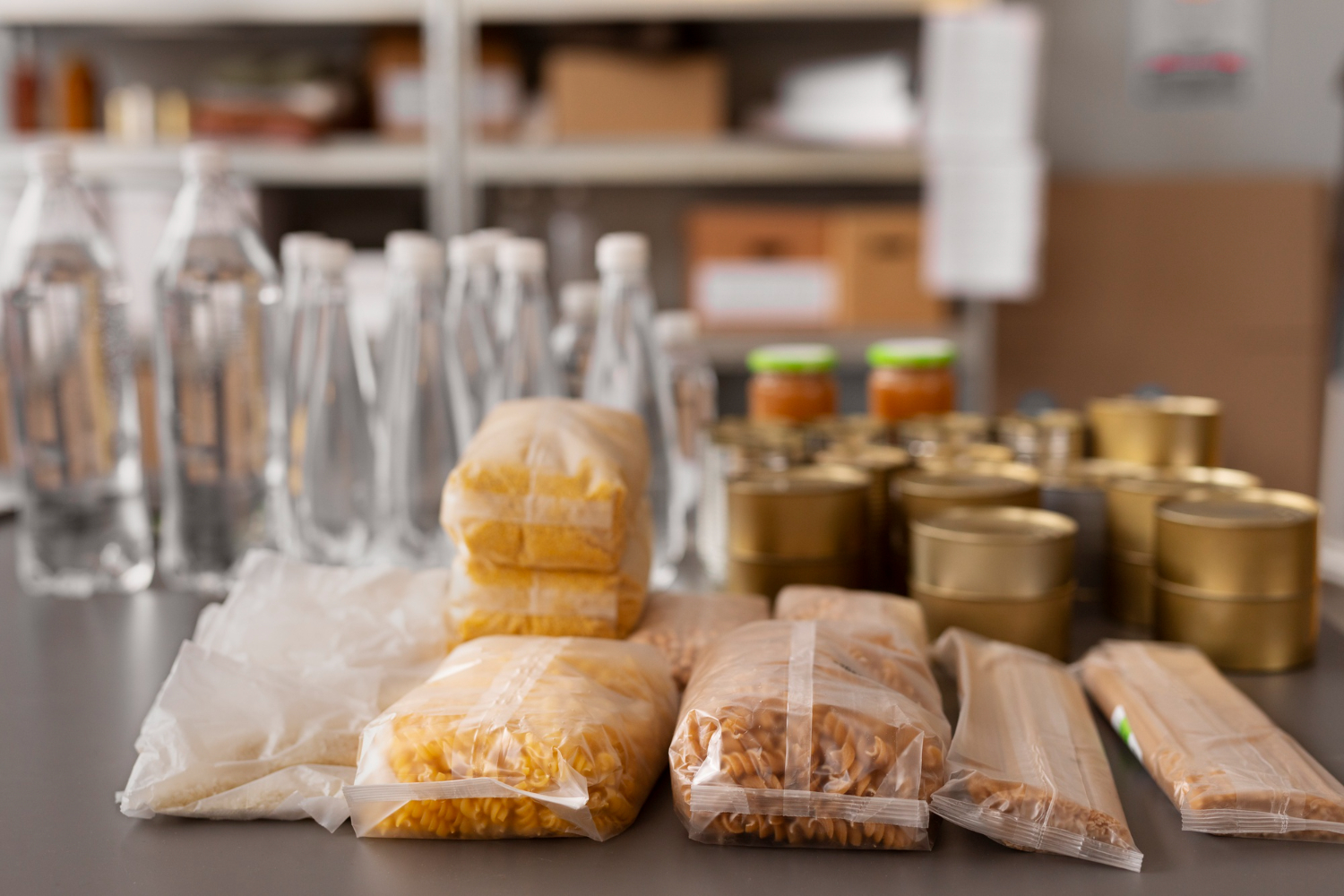
Buying food in bulk can be a great way to lower the price you pay per pound or ounce.
But getting a good price is only half the job.
If the food goes stale, gets damp, attracts pests or gets forgotten in the back of the pantry, the savings disappear.
Bulk buying works best when you have a plan for storing what you bring home.
You don’t need an expensive pantry makeover or a cabinet full of fancy containers. A few simple habits can help you keep bulk foods in good condition and make sure you actually use them.
Start With a Clean, Dry Storage Area
Before bringing home a large quantity of food, make sure you have somewhere appropriate to put it.
For most dry pantry foods, that means a cool, dry place away from moisture and excessive heat.
Clean out old products first.
Wipe down shelves.
Get rid of anything that’s expired, damaged or clearly past its useful life.
There’s no point adding another ten pounds of rice to a pantry that already needs to be cleaned out.
Don’t Store More Than You Can Manage
Bulk storage has a limit.
If you have a small pantry, buying several enormous packages may make it harder to keep track of everything.
The more crowded the shelves become, the easier it is for food to disappear behind other packages.
Buy quantities that fit your storage space.
A slightly smaller purchase that you can organize is often more useful than a massive one that gets buried.
Use Airtight Containers for Many Dry Goods
Once you open a large package, consider transferring the contents to an appropriate airtight container.
This can help protect dry foods from moisture, air and pests.
Depending on what you’re storing, useful candidates can include:
- Rice
- Flour
- Sugar
- Oats
- Pasta
- Dried beans
- Cereal
You don’t need to transfer everything immediately.
If the original packaging is sturdy and resealable, it may be perfectly fine.
The point is to use better storage when the original package doesn’t protect the food well after opening.
Label Everything
This becomes much more important when you’re buying in bulk.
A clear container full of white powder could be flour, sugar or something else.
You don’t want to guess.
Label containers with the food and, when useful, the date you opened or stored it.
You can use inexpensive labels, masking tape or a marker.
There’s no need to make it complicated.
Put Older Food in Front
When you buy more of something you already have, don’t just put the new package wherever there’s space.
Move the older product toward the front.
Put the new product behind it.
This simple first-in, first-out system makes it much easier to use older food before newer purchases.
It also helps you see when you’re starting to accumulate more than you need.
Don’t Mix New and Old Food Without Cleaning the Container
If you have some rice left in a container and buy a new bag, don’t automatically dump the new rice on top.
Use the old rice first or clean and dry the container before refilling it.
This helps you keep track of what’s older and prevents you from accidentally trapping old food underneath new food.
Keep Moisture Away From Dry Foods
Moisture is one of the biggest problems for pantry staples.
It can affect the quality of flour, grains, cereal, crackers and other dry goods.
Keep these foods away from sinks, leaking pipes, damp areas and other sources of moisture.
If a package gets wet, don’t assume the food is fine simply because the outside eventually dries.
Check the product carefully and follow appropriate food-safety guidance.
Store Flour Carefully
Flour is one bulk food that deserves some extra attention.
If you bake frequently, buying a larger bag can save money.
But flour can attract pantry pests and doesn’t benefit from sitting in a warm, damp cabinet.
Keep it in a suitable airtight container in a cool, dry location.
For longer storage, some types of flour can also be refrigerated or frozen, depending on your needs and available space.
Be Thoughtful With Rice
Rice is a popular bulk purchase because it stores well.
Keep it dry and protected from pests.
If you’re buying a very large quantity, make sure you have a practical way to store it rather than leaving an opened bag sitting on the pantry floor.
Different types of rice can have different storage considerations, so follow the product’s storage guidance when in doubt.
Pasta Is Easier to Store
Dry pasta is one of the simpler bulk foods.
It generally doesn’t require special treatment beyond keeping it dry and protected from pests.
If the original box or bag doesn’t reseal well, an airtight container can help keep it fresh and make the pantry easier to organize.
Protect Cereal From Going Stale
Cereal can be inexpensive to buy in larger quantities, but once opened, it can lose its texture.
If you have several boxes open at once, you’re creating more opportunities for stale cereal.
Try to finish one package before opening another when practical.
For large bags or bulk cereal, resealable containers can help.
Divide Large Packages Into Smaller Portions
You don’t always need to store an entire bulk purchase in one container.
Dividing it can make the food easier to use.
This works particularly well for foods such as:
- Rice
- Pasta
- Flour
- Oats
- Dried beans
- Snacks
Smaller portions can also make it easier to see how much you have left.
Freeze Foods That You Won’t Use Quickly
The freezer can be useful when you buy more than you need for the next few days.
This is especially helpful with certain meats, breads and other foods that freeze well.
Divide large packages into useful portions before freezing.
That way, you don’t have to thaw the entire quantity just to use a small amount.
Don’t Freeze Something Without a Plan
The freezer can prevent waste, but it can also hide waste.
If you put something in the freezer and forget about it, you’ve only delayed the problem.
Label frozen foods.
Use suitable freezer packaging.
Keep older items where you’ll see them.
And occasionally plan meals around what’s already frozen.
Store Canned Goods Properly
Canned foods are relatively easy to store, which makes them good candidates for stocking up.
Keep them in a cool, dry place.
Avoid storing cans where they’re exposed to excessive heat or moisture.
Rotate older cans toward the front.
And check cans before use. If a can is severely swollen, leaking, badly damaged or otherwise suspicious, don’t use it.
Don’t Forget About Oil
Buying cooking oil in a large bottle can save money if you use it frequently.
But don’t assume a giant container will always be better.
Store oil according to the product’s instructions and keep it away from excessive heat and light where appropriate.
If you use oil slowly, a smaller container may be the better choice.
The lower price per ounce isn’t helpful if you don’t use it while it’s still in good condition.
Keep Spices in Reasonable Quantities
Buying spices in bulk can look like a fantastic deal.
A large container may cost less per ounce than a tiny jar.
But spices can lose quality over time.
For frequently used spices, larger containers may make sense.
For spices you rarely use, stick with smaller amounts.
There’s no prize for owning a pound of a spice you use twice a year.
Don’t Store Food on the Floor
Whenever possible, keep food off the floor and in appropriate storage areas.
This makes cleaning easier and can help reduce exposure to pests and moisture.
It’s particularly useful when you’re storing large bags of dry goods.
Keep an Eye Out for Pantry Pests
Bulk foods can sometimes be more vulnerable to pantry pests simply because you’re storing more of them for longer.
Check packages occasionally for signs of insects or damaged packaging.
If you notice a problem, deal with it promptly rather than letting it spread through the pantry.
Good containers and regular cleaning can make this much easier to manage.
Write Down What You Have
You don’t need a detailed inventory of every grain in your pantry.
But if you buy a lot of bulk food, a simple list can help.
You might write:
- 10 lb rice
- 4 boxes pasta
- 2 bags oats
- 6 cans tomatoes
- 4 cans beans
Update it when you use something.
This can prevent you from buying another giant package simply because you forgot what was already sitting on the shelf.
Create a “Use Soon” Section
If something is approaching the point where you want to use it, move it somewhere visible.
This could be a particular pantry shelf, a basket or simply the front of the cabinet.
The idea is to make foods that need attention hard to ignore.
If you can see them, you’re more likely to use them.
Don’t Let Organization Become More Expensive Than the Food
You don’t need to spend $200 on matching containers.
Use what you already have when it’s suitable.
Reuse appropriate food-storage containers.
Buy inexpensive containers gradually for foods where they actually solve a problem.
The goal is to protect the food—not create an Instagram pantry.
Keep a Reasonable Stock Level
Once you figure out how much of something your household uses, you’ll know how much to buy.
If you normally use five pounds of rice in a month, keeping 10 or 15 pounds on hand may be reasonable.
Keeping 50 pounds might be unnecessary unless you have a specific reason for it and appropriate storage.
Stock enough to take advantage of good prices without creating a storage problem.
Make Bulk Food Part of Your Meal Planning
The best storage system in the world won’t help if you never use what’s sitting in it.
If you have a lot of rice, plan rice meals.
If you have extra pasta, use it.
If the freezer is full of meat, build a few dinners around it before buying more.
Your pantry and freezer should support your grocery budget, not become a collection of food you keep adding to.
Don’t Forget About the Food You Already Have
Before your next bulk-shopping trip, check the pantry.
You might already have enough.
This is one of the easiest ways to prevent overspending.
A good stockpile should reduce the number of things you need to buy—not encourage you to keep buying more.
The Goal Is to Make Your Savings Last
Buying in bulk can lower your grocery costs, but the savings don’t happen when you put the large package in your cart.
They happen when you use the food before it goes bad.
Store dry foods somewhere appropriate.
Use airtight containers when helpful.
Label and rotate older products.
Freeze foods that make sense to freeze.
Keep track of what you already have.
And most importantly, don’t buy more than you can realistically store and use.
A well-organized pantry doesn’t need to be huge.
It just needs to make it easy to find what you bought, protect it while you have it and remind you to use it.
That’s how a bulk purchase turns into actual grocery savings instead of a giant package sitting forgotten on a shelf.