
TRENDING
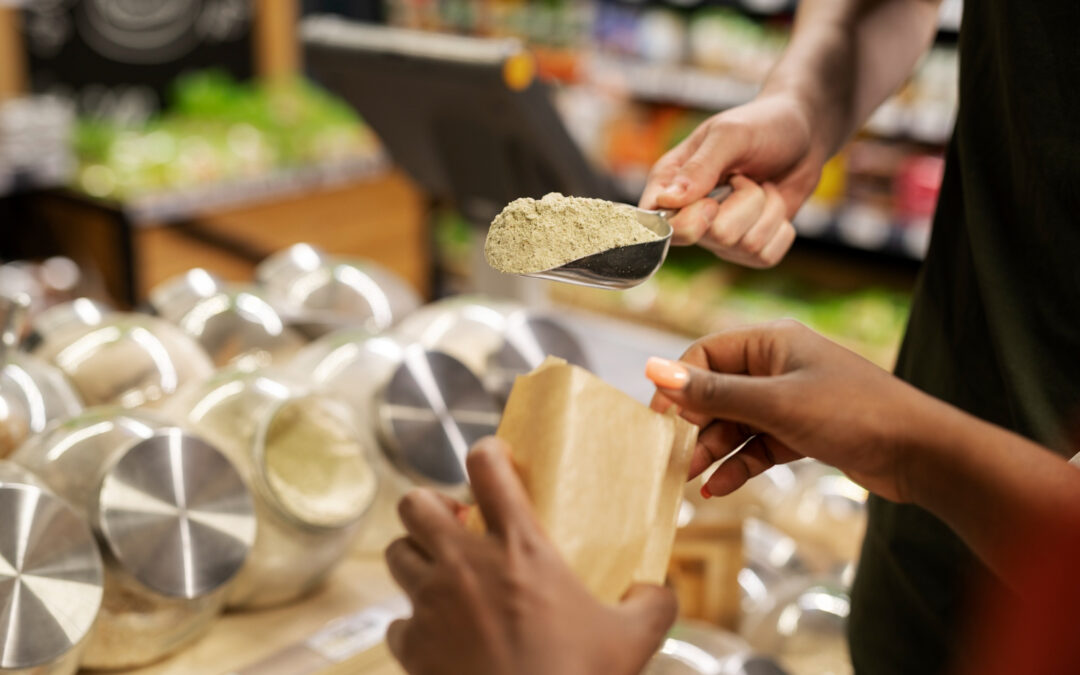
How to Make Substitutions When Your Planned Ingredients Are Too Expensive
Sometimes the grocery list looks reasonable until you get to the store. Then you see the price. The tomatoes you planned to buy are suddenly twice what you expected. The chicken is expensive this week. The recipe calls for a specialty ingredient that costs $6 for a...
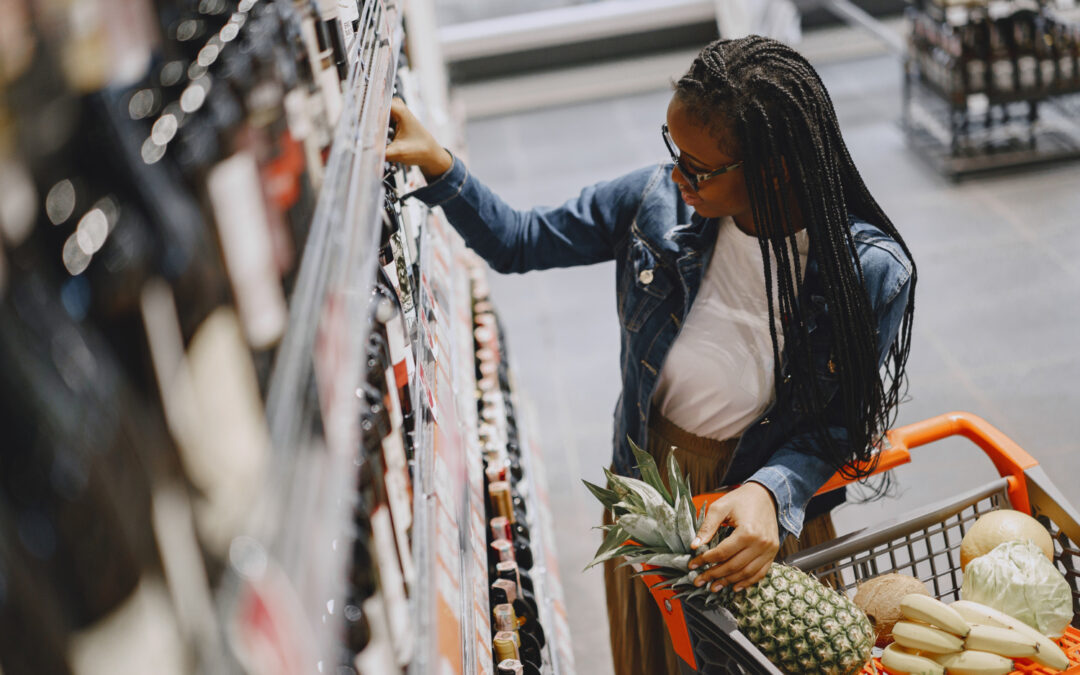
How to Avoid Impulse Buys at the Grocery Store
Grocery stores are designed to get you to buy more than you planned. You walk in for milk and eggs. Then there's a sale on snacks. A new product is sitting at the end of the aisle. The bakery smells amazing. By the time you reach checkout, you've added another $15 or...
LATEST

How to Test Store Brands Without Wasting Money
Switching to store brands can save you a decent amount of money, but there's no reason to replace half your pantry just to find out which products you actually like. Some store brands will become instant favorites. Others will leave you wondering how anyone thought...

Comparing Small, Medium, and Family-Size Packages
Bigger doesn't automatically mean cheaper. That's probably the easiest grocery-shopping mistake to make when you're standing in front of a shelf with three different package sizes. The small package is $2.49. The medium one is $3.99. The family size is $5.49. So...

The Five-Minute Pantry Check to Do Before Grocery Shopping
One of the easiest ways to waste money at the grocery store is buying something you already have. You get home, put the groceries away, and discover another box of pasta behind the cereal. Or three cans of diced tomatoes you forgot about. Or the giant bottle of...
How a Grocery List Can Prevent Impulse Spending
A grocery list isn't just there to remind you to buy milk. It can also keep you from spending money on things you didn't plan to buy in the first place. Walking into a grocery store without a list makes it incredibly easy to start adding things to the cart. A snack...
Why Shopping Hungry Can Cost You More
Going grocery shopping when you're hungry sounds harmless. You're only going to grab a few things, right? Then you walk past the bakery. You smell the bread. You see the cookies. The prepared food looks like an easy dinner. Suddenly the grocery list you carefully made...
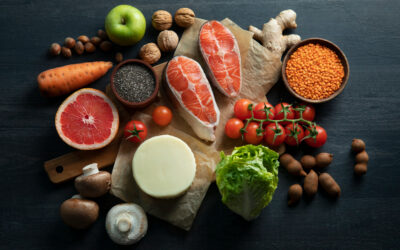
Flexible Ingredients That Make Budget Grocery Shopping Easier
One of the easiest ways to spend too much at the grocery store is buying ingredients that only work for one meal. You need a certain cheese for one recipe. A particular vegetable for another. A special sauce for something else. Then the week gets busy, you don't make...

The Best Questions to Ask Before Putting an Item in Your Cart
Grocery stores are really good at making you feel like you need things you never planned to buy. A sale sign catches your attention. A new flavor looks interesting. There's a display right in the middle of the aisle. And before you know it, something you didn't need...

How to Shop the Perimeter and Aisles With a Budget in Mind
There's a popular grocery-shopping rule that says you should stick to the perimeter of the store. That's where you'll usually find produce, meat, dairy and other fresh foods. The aisles, meanwhile, are where all the packaged food lives. It sounds simple: stay around...