How to Use Coupons on Items You Already Planned to Buy

Coupons can save you money, but only if you use them on things you were going to buy anyway. That's the part that gets lost when people talk about couponing. A coupon isn't automatically a savings just because it takes money off the price. If you buy a $6 product you...

Digital Coupons vs. Paper Coupons: Which Is More Useful?

Coupons have changed quite a bit. You used to have to cut them out of a newspaper, remember to bring them to the store and hope you didn't leave the whole pile sitting on the kitchen counter. Now, most grocery stores have their own apps, digital coupons and loyalty...

Store Brand vs. Name Brand: How to Compare the Real Value

The cheapest item on the shelf isn't always the best deal. And the item with the biggest discount sticker isn't necessarily the best deal either. When you're standing in the grocery aisle comparing a store brand with a name brand, the real question is pretty simple:...

How to Compare Grocery Prices Without Getting Fooled by Package Size

Grocery stores have gotten very good at making prices look cheaper than they really are. A package is $3.99. Another is $4.49. At first glance, the $3.99 option looks like the obvious choice. Then you notice one package has 12 ounces and the other has 20. Now the...

Private Label, Name Brand, or Discount Brand: What Should You Buy?

Walking down the grocery aisle, you can end up with three or four versions of basically the same product. There's the name brand you've seen forever. There's the store's private-label version. And then there's the really cheap option sitting on the bottom shelf. So...

When Paying More for a Name Brand Actually Makes Sense

Saving money on groceries doesn't mean you have to buy the cheapest version of everything. In fact, trying to do that can sometimes backfire. There are products where the store brand is just as good as the name brand. There are others where you can taste the...

How to Find the Best Store-Brand Substitutes for Everyday Staples

Switching to store brands is one of the easiest ways to cut a grocery bill without changing what you're eating. The problem is figuring out which products are worth switching. Some store-brand foods are nearly indistinguishable from the name brands sitting next to...

How to Compare Store Brands Across Different Grocery Stores

Shopping at different grocery stores can save you money, but there's one problem that makes comparisons harder than they look: Every store has its own version of "cheap." One store might have an inexpensive pasta that's actually a great buy. Another might have a...

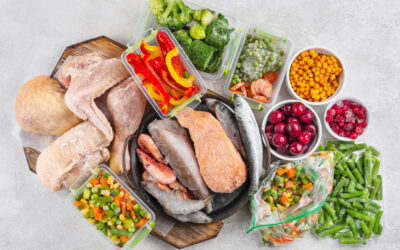
How to Compare Frozen, Canned, and Fresh Versions of the Same Food

Fresh isn't always better. Frozen isn't always cheaper. And canned food isn't automatically the budget option. When you're standing in the grocery store looking at three versions of the same food, it's easy to assume you already know which one is the best choice....

Building a Grocery Cart With the Best Mix of Brands and Prices

You don't have to buy the cheapest version of everything to have a cheap grocery cart. In fact, that's probably not the best way to do it. A better grocery cart is a mix. Maybe the store-brand pasta goes in the cart because it's half the price and nobody cares about...

TRENDING

No Results Found

The page you requested could not be found. Try refining your search, or use the navigation above to locate the post.

LATEST

How to Avoid Impulse Buys at the Grocery Store

How to Avoid Impulse Buys at the Grocery Store

Grocery stores are designed to get you to buy more than you planned. You walk in for milk and eggs. Then there's a sale on snacks. A new product is sitting at the end of the aisle. The bakery smells amazing. By the time you reach checkout, you've added another $15 or...

read more